
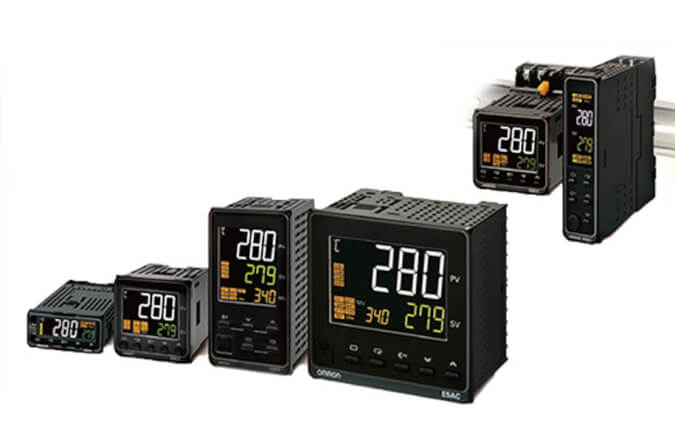
E5_C
Alto rendimiento y sencillez
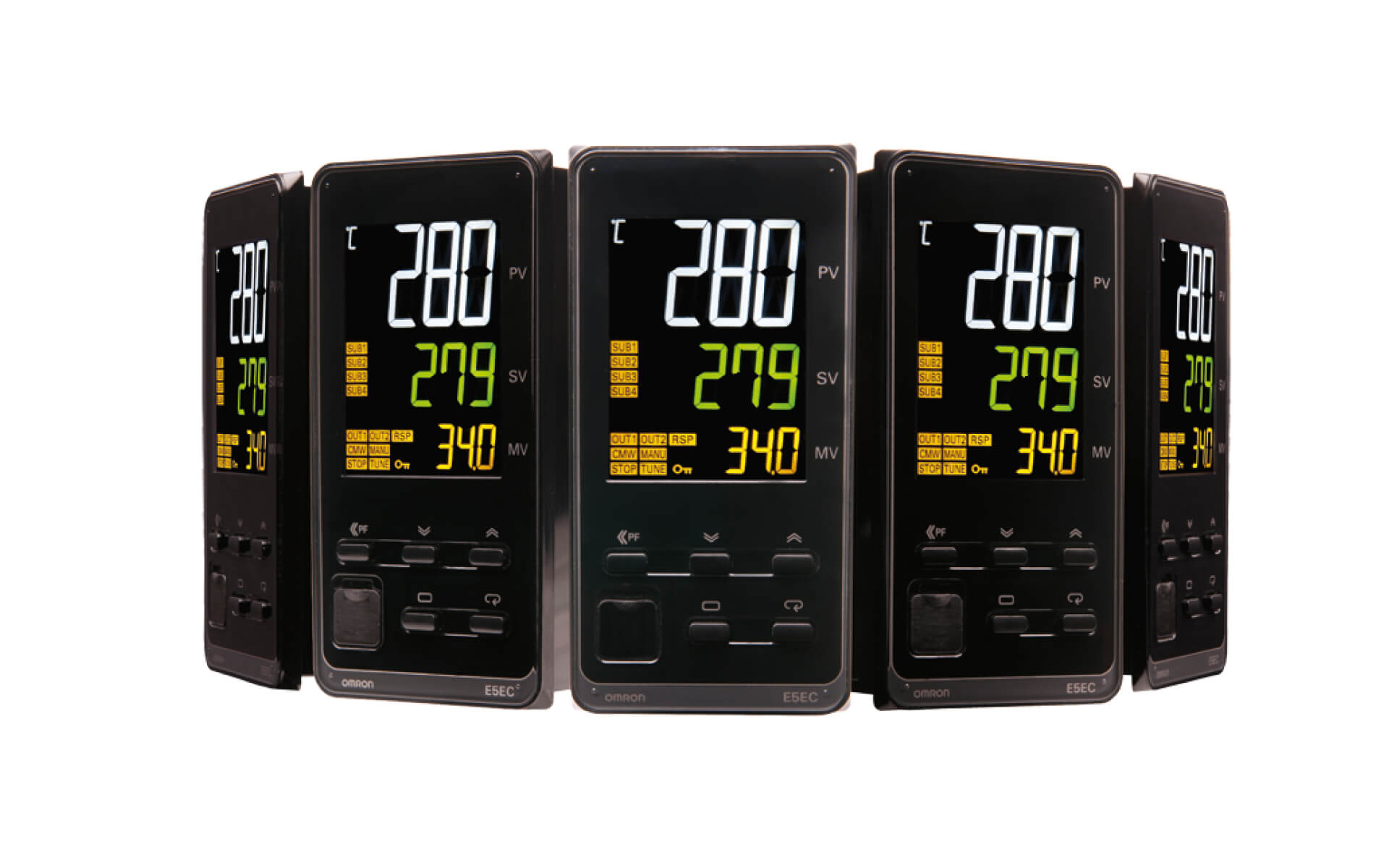
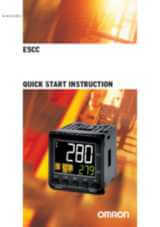
El controlador de temperatura de última generación E5_C establece un nuevo estándar mundial en términos de precisión y diseño intuitivo. El mejor rendimiento de control, una configuración sencilla y una pantalla LCD blanca IP66 con una visibilidad extraordinaria se han integrado en una carcasa compacta de solo 60 mm de grosor.
- Regulación rápida y precisa: periodo de lazo de muestreo de 50 ms
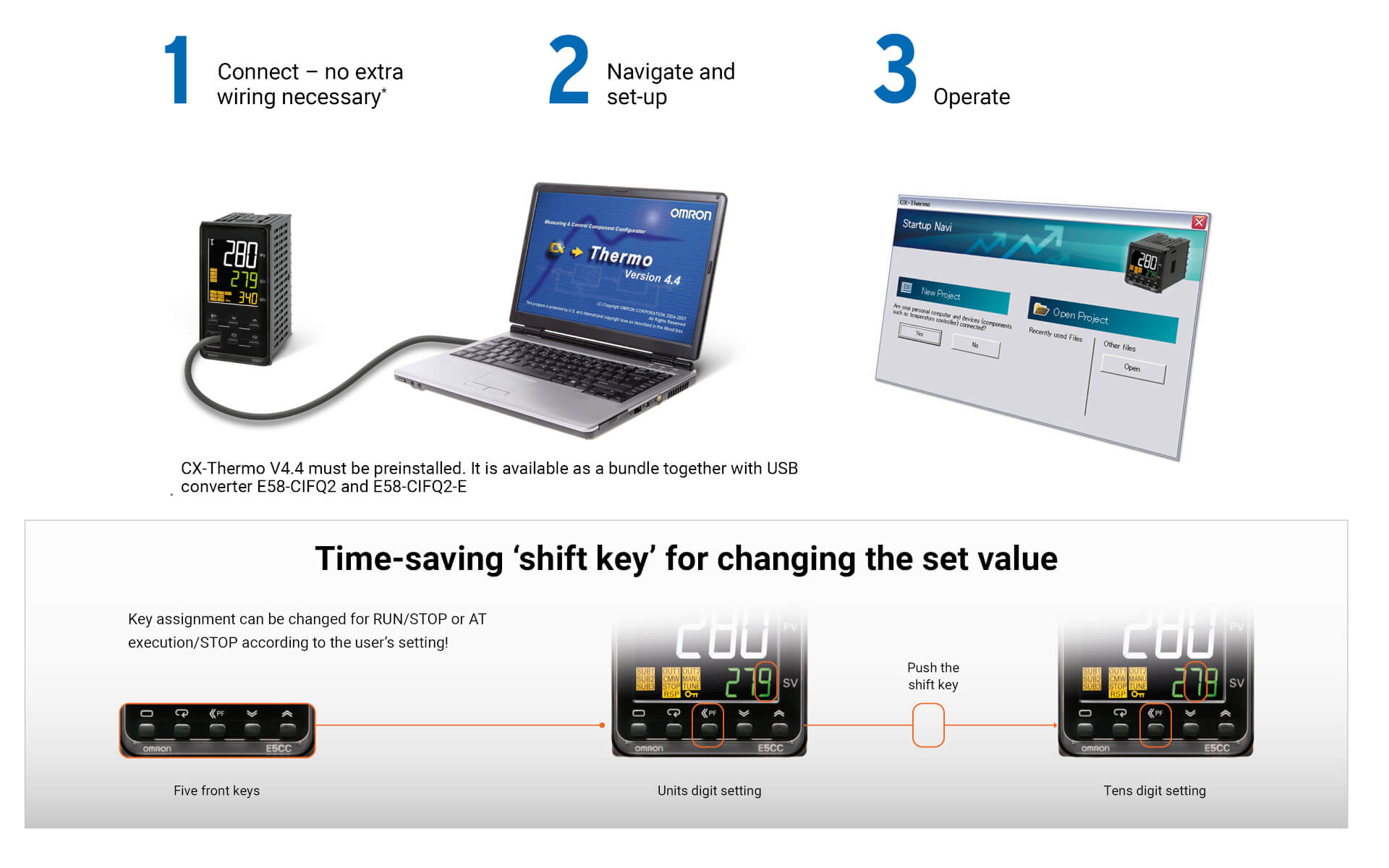
- Fácil configuración y funcionamiento intuitivo gracias al software CX-Thermo sin fuente de alimentación
- Pantalla con el mejor contraste posible gracias a la tecnología LCD blanca, visible a larga distancia y desde cualquier ángulo
- Funciones de alarma y diagnóstico útiles para un funcionamiento seguro
- Temporizador práctico y funciones de operaciones lógicas que eliminan la necesidad de un PLC
- Existen modelos adicionales con características diferentes. Compruebe el catálogo de productos relacionados.
Especificaciones y modelos disponibles
| Producto | Size | Functions | Number of control loops | Temperature input type | Linear analog input type | Temperature range | Features | Number of event inputs | Number of alarm outputs | Supply voltage AC | Supply voltage DC | Control output | Communication port(s) | Terminal type | Descripción | |
|---|---|---|---|---|---|---|---|---|---|---|---|---|---|---|---|---|
|
|
1/4 DIN (96 x 96 mm) | ON/OFF control, PID control | 1 | B, C (WRe5-26), E, J, JPt100, K, L, N, P (PLII), Pt100, R, S, T, U | 0 to 10 V, 0 to 20 mA, 0 to 5 V, 1 to 5 V, 4 to 20 mA | -200-2300 °C | 0 | 4 | 100-240 V | Linear current | Screw | Ent Univ 4 Alarmas Sal Corriente 100-240Vca 96x96 |
|
|||
|
|
1/4 DIN (96 x 96 mm) | ON/OFF control, PID control, Positional proportional control | 1 | B, C (WRe5-26), E, J, JPt100, K, L, N, P (PLII), Pt100, R, S, T, U | 0 to 10 V, 0 to 20 mA, 0 to 5 V, 1 to 5 V, 4 to 20 mA | -200-2300 °C | Remote SP, Transfer output | 4 | 4 | 100-240 V | 2 Relay | Serial RS-485 | Screw | Ent Univ 4 Alarmas Valvula Motor 4 Evt RS485 RSP Transf 100-240Vca 96x96 |
|
|
|
|
1/4 DIN (96 x 96 mm) | ON/OFF control, PID control | 1 | B, C (WRe5-26), E, J, JPt100, K, L, N, P (PLII), Pt100, R, S, T, U | 0 to 10 V, 0 to 20 mA, 0 to 5 V, 1 to 5 V, 4 to 20 mA | -200-2300 °C | 0 | 4 | 100-240 V | Voltage pulse | Screw | Ent Univ 4 Alarmas Sal SSR 100-240Vca 96x96 |
|
|||
|
|
1/4 DIN (96 x 96 mm) | ON/OFF control, PID control | 1 | B, C (WRe5-26), E, J, JPt100, K, L, N, P (PLII), Pt100, R, S, T, U | 0 to 10 V, 0 to 20 mA, 0 to 5 V, 1 to 5 V, 4 to 20 mA | -200-2300 °C | 0 | 4 | 100-240 V | 2 Relay | Screw | Ent Univ 4 Alarmas 2 Sal Relé 100-240Vca 96x96 |
|
|||
|
|
1/4 DIN (96 x 96 mm) | ON/OFF control, PID control | 1 | B, C (WRe5-26), E, J, JPt100, K, L, N, P (PLII), Pt100, R, S, T, U | 0 to 10 V, 0 to 20 mA, 0 to 5 V, 1 to 5 V, 4 to 20 mA | -200-2300 °C | 0 | 4 | 100-240 V | Relay | Screw | Ent Univ 4 Alarmas Sal Relé 100-240Vca 96x96 |
|
|||
|
|
1/4 DIN (96 x 96 mm) | HB/HS alarm for 1-phase heaters, Heater burnout detection, ON/OFF control, PID control | 1 | B, C (WRe5-26), E, J, JPt100, K, L, N, P (PLII), Pt100, R, S, T, U | 0 to 10 V, 0 to 20 mA, 0 to 5 V, 1 to 5 V, 4 to 20 mA | -200-2300 °C | 4 | 4 | 100-240 V | Relay | Screw | Ent Univ 4 Alarmas Sal Relé 4 Evt HBA 100-240Vca 96x96 |
|
|||
|
|
1/4 DIN (96 x 96 mm) | ON/OFF control, PID control | 1 | B, C (WRe5-26), E, J, JPt100, K, L, N, P (PLII), Pt100, R, S, T, U | 0 to 10 V, 0 to 20 mA, 0 to 5 V, 1 to 5 V, 4 to 20 mA | -200-2300 °C | 0 | 4 | 20.4-26.4 V | 20.4-26.4 V | Relay | Screw | Ent Univ 4 Alarmas Sal Relé 24Vcc/Vca 96x96 |
|
||
|
|
1/16 DIN (48 x 48 mm) | ON/OFF control, PID control | 1 | B, C (WRe5-26), E, J, JPt100, K, L, N, P (PLII), Pt100, R, S, T, U | 0 to 10 V, 0 to 20 mA, 0 to 5 V, 1 to 5 V, 4 to 20 mA | -200-2300 °C | 0 | 3 | 100-240 V | Linear current | Screw | Controlador de temperatura, 1/16 DIN (48 x 48 mm), salida de corriente de 0/4-20 mA, 3 AUX, 100-240 V CA |
|
|||
|
|
1/16 DIN (48 x 48 mm) | ON/OFF control, PID control | 1 | B, C (WRe5-26), E, J, JPt100, K, L, N, P (PLII), Pt100, R, S, T, U | 0 to 10 V, 0 to 20 mA, 0 to 5 V, 1 to 5 V, 4 to 20 mA | -200-2300 °C | 2 | 3 | 100-240 V | Linear current | Serial RS-485 | Screw | Controlador de temperatura, 1/16 DIN (48 x 48 mm), salida de corriente de 0/4-20 mA, 3 AUX, 2 entradas de evento, RS-485, 100-240 V CA |
|
||
|
|
1/16 DIN (48 x 48 mm) | ON/OFF control, PID control | 1 | B, C (WRe5-26), E, J, JPt100, K, L, N, P (PLII), Pt100, R, S, T, U | 0 to 10 V, 0 to 20 mA, 0 to 5 V, 1 to 5 V, 4 to 20 mA | -200-2300 °C | Transfer output | 2 | 3 | 100-240 V | Linear current | Screw | Controlador de temperatura, 1/16 DIN (48 x 48 mm), salida de corriente de 0/4-20 mA, 3 AUX, 2 entradas de evento, salida de transferencia, 100-240 V CA |
|
||
|
|
1/16 DIN (48 x 48 mm) | ON/OFF control, PID control | 1 | B, C (WRe5-26), E, J, JPt100, K, L, N, P (PLII), Pt100, R, S, T, U | 0 to 10 V, 0 to 20 mA, 0 to 5 V, 1 to 5 V, 4 to 20 mA | -200-2300 °C | 0 | 3 | 20.4-26.4 V | 20.4-26.4 V | Linear current | Screw | Controlador de temperatura, 1/16 DIN (48 x 48 mm), salida de corriente de 0/4-20 mA, 3 AUX, 24 V CA/CC |
|
||
|
|
1/16 DIN (48 x 48 mm) | ON/OFF control, PID control | 1 | B, C (WRe5-26), E, J, JPt100, K, L, N, P (PLII), Pt100, R, S, T, U | 0 to 10 V, 0 to 20 mA, 0 to 5 V, 1 to 5 V, 4 to 20 mA | -200-2300 °C | 2 | 3 | 20.4-26.4 V | 20.4-26.4 V | Linear current | Serial RS-485 | Screw | Controlador de temperatura, 1/16 DIN (48 x 48 mm), salida de corriente de 0/4-20 mA, 3 AUX, 2 entradas de evento, RS-485, 24 V CA/CC |
|
|
|
|
1/16 DIN (48 x 48 mm) | ON/OFF control, PID control | 1 | B, C (WRe5-26), E, J, JPt100, K, L, N, P (PLII), Pt100, R, S, T, U | 0 to 10 V, 0 to 20 mA, 0 to 5 V, 1 to 5 V, 4 to 20 mA | -200-2300 °C | 4 | 3 | 20.4-26.4 V | 20.4-26.4 V | Linear current | Screw | Controlador de temperatura, 1/16 DIN (48 x 48 mm), salida de corriente de 0/4-20 mA, 3 AUX, 4 entradas de evento, 24 V CA/CC |
|
||
|
|
1/16 DIN (48 x 48 mm) | ON/OFF control, PID control | 1 | B, C (WRe5-26), E, J, JPt100, K, L, N, P (PLII), Pt100, R, S, T, U | 0 to 10 V, 0 to 20 mA, 0 to 5 V, 1 to 5 V, 4 to 20 mA | -200-2300 °C | Transfer output | 2 | 3 | 20.4-26.4 V | 20.4-26.4 V | Linear current | Screw | Controlador de temperatura, 1/16 DIN (48 x 48 mm), salida de corriente de 0/4-20 mA, 3 AUX, 2 entradas de evento, salida de transferencia, 24 V CA/CC |
|
|
|
|
1/16 DIN (48 x 48 mm) | ON/OFF control, PID control | 1 | B, C (WRe5-26), E, J, JPt100, K, L, N, P (PLII), Pt100, R, S, T, U | 0 to 10 V, 0 to 20 mA, 0 to 5 V, 1 to 5 V, 4 to 20 mA | -200-2300 °C | Remote SP | 2 | 3 | 20.4-26.4 V | 20.4-26.4 V | Linear current | Screw | Controlador de temperatura, 1/16 DIN (48 x 48 mm), salida de corriente de 0/4-20 mA, 3 AUX, 2 entradas de evento, punto de consigna remoto, 24 V CA/CC |
|
|
|
|
1/16 DIN (48 x 48 mm) | ON/OFF control, PID control | 1 | B, C (WRe5-26), E, J, JPt100, K, L, N, P (PLII), Pt100, R, S, T, U | 0 to 10 V, 0 to 20 mA, 0 to 5 V, 1 to 5 V, 4 to 20 mA | -200-2300 °C | 0 | 3 | 100-240 V | Voltage pulse | Screw | Controlador de temperatura, 1/16 DIN (48 x 48 mm), 2 salidas de pulsos de 12 V CC, 3 AUX, 100-240 V CA |
|
|||
|
|
1/16 DIN (48 x 48 mm) | ON/OFF control, PID control | 1 | B, C (WRe5-26), E, J, JPt100, K, L, N, P (PLII), Pt100, R, S, T, U | 0 to 10 V, 0 to 20 mA, 0 to 5 V, 1 to 5 V, 4 to 20 mA | -200-2300 °C | 0 | 3 | 20.4-26.4 V | 20.4-26.4 V | Voltage pulse | Screw | Controlador de temperatura, 1/16 DIN (48 x 48 mm), 2 salidas de impulsos de 12 V CC, 3 AUX, 24 V CA/CC |
|
||
|
|
1/16 DIN (48 x 48 mm) | ON/OFF control, PID control | 1 | B, C (WRe5-26), E, J, JPt100, K, L, N, P (PLII), Pt100, R, S, T, U | 0 to 10 V, 0 to 20 mA, 0 to 5 V, 1 to 5 V, 4 to 20 mA | -200-2300 °C | 0 | 2 | 100-240 V | Voltage pulse | Push-in | Ent. Universal 2 Alarmas Sal SSR 100-240 Vca Push-in+ 48x48 |
|
|||
|
|
1/16 DIN (48 x 48 mm) | ON/OFF control, PID control | 1 | B, C (WRe5-26), E, J, JPt100, K, L, N, P (PLII), Pt100, R, S, T, U | 0 to 10 V, 0 to 20 mA, 0 to 5 V, 1 to 5 V, 4 to 20 mA | -200-2300 °C | 0 | 2 | 100-240 V | Voltage pulse | Screw | Controlador de temperatura, 1/16 DIN (48 x 48 mm), salida de impulsos de 12 V CC, 2 AUX, sin cubierta, 100-240 V CA |
|
|||
|
|
1/16 DIN (48 x 48 mm) | ON/OFF control, PID control | 1 | B, C (WRe5-26), E, J, JPt100, K, L, N, P (PLII), Pt100, R, S, T, U | 0 to 10 V, 0 to 20 mA, 0 to 5 V, 1 to 5 V, 4 to 20 mA | -200-2300 °C | 0 | 2 | 100-240 V | Voltage pulse | Plug-in | Control de temperatura, 48x48 mm,enchufable, PV/SV1 lazo, 1 x 12VDC pulsos |
|
¿Necesita ayuda?
Estamos aquí para ayudarle. Póngase en contacto con nosotros y nuestros especialistas le ayudarán a encontrar la mejor solución para su negocio.
Contacten conmigo E5_C
Gracias por enviarnos su solicitud. Le responderemos lo antes posible.
Tenemos dificultades técnicas. Su formulario no ha sido enviado. Porfavor, acepte nuestras disculpas e inténtelo de nuevo más tarde.\ Detalle: [details]
Presupuesto para E5_C
A través de este formulario puede solicitar cotización del producto escogido. Por favor, cumplimente todos los campos marcados con *. Sus datos personales serán tratados con la máxima confidencialidad.
Gracias por la cotización solicitada. Le enviaremos la información solicitada lo antes posible.
Tenemos dificultades técnicas. Su formulario no ha sido enviado. Porfavor, acepte nuestras disculpas e inténtelo de nuevo más tarde.\ Detalle: [details]
Características
Pantalla LCD
Configuración sencilla
Control preciso
Funciones útiles
Enmascaramiento de parámetros

-

Omron E5_C series Temperature Controller – Parameter Mask Function
With Omron’s Parameter Mask Function with CX-Thermo Software, you can easily prevent mistakes It might be necessary to protect your machine or device against unwanted manipulation, which can provoke hazardous risks to the health of operators or could cause several after-sale troubles caused by wrong parameters setting A very effective way to e.g. limit the access for certain settings would be either to a blank (mask) them, not allowing the access for unauthorized operators, or to protect the temperature controller by password setting (stronger). The Parameter Masking means that Parameters are hidden but present in the background but not accessible and can only be changed by legitimated users with defined access rights.
04:04
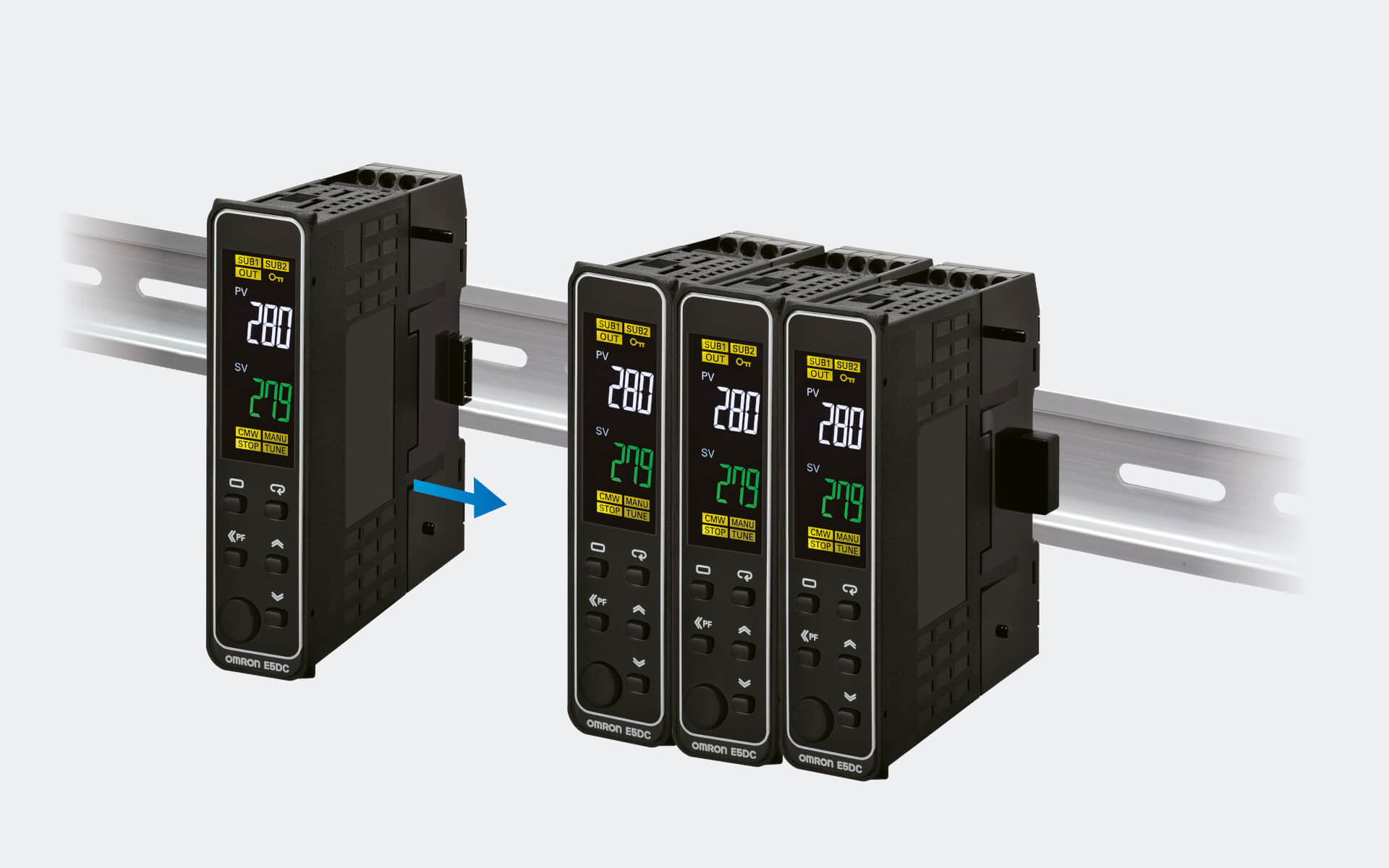
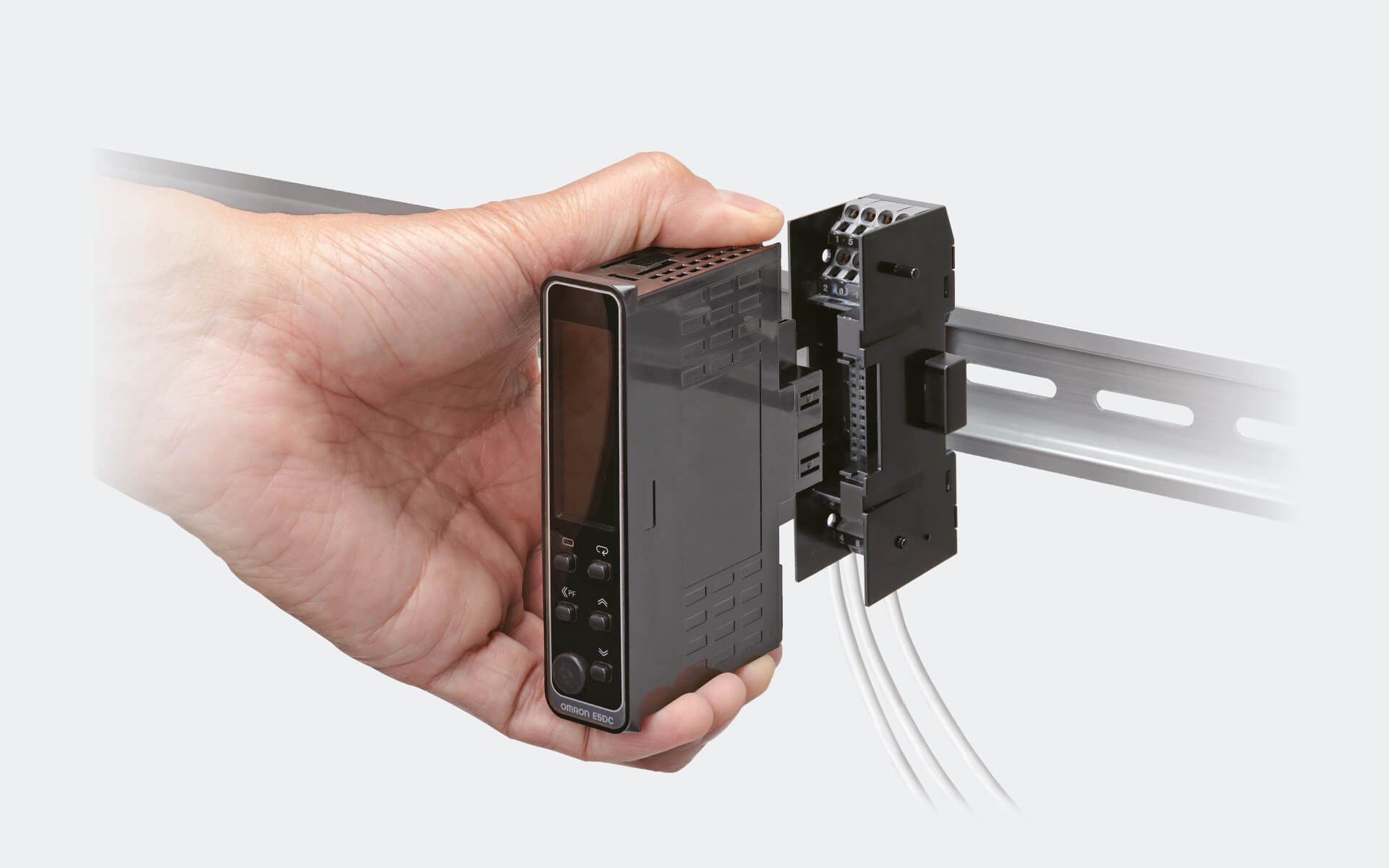
Menos entrecruzamiento de cables gracias a la estructura de conexión horizontal
Conector extraíble para facilitar el mantenimiento
Aplicaciones
Bag sealing
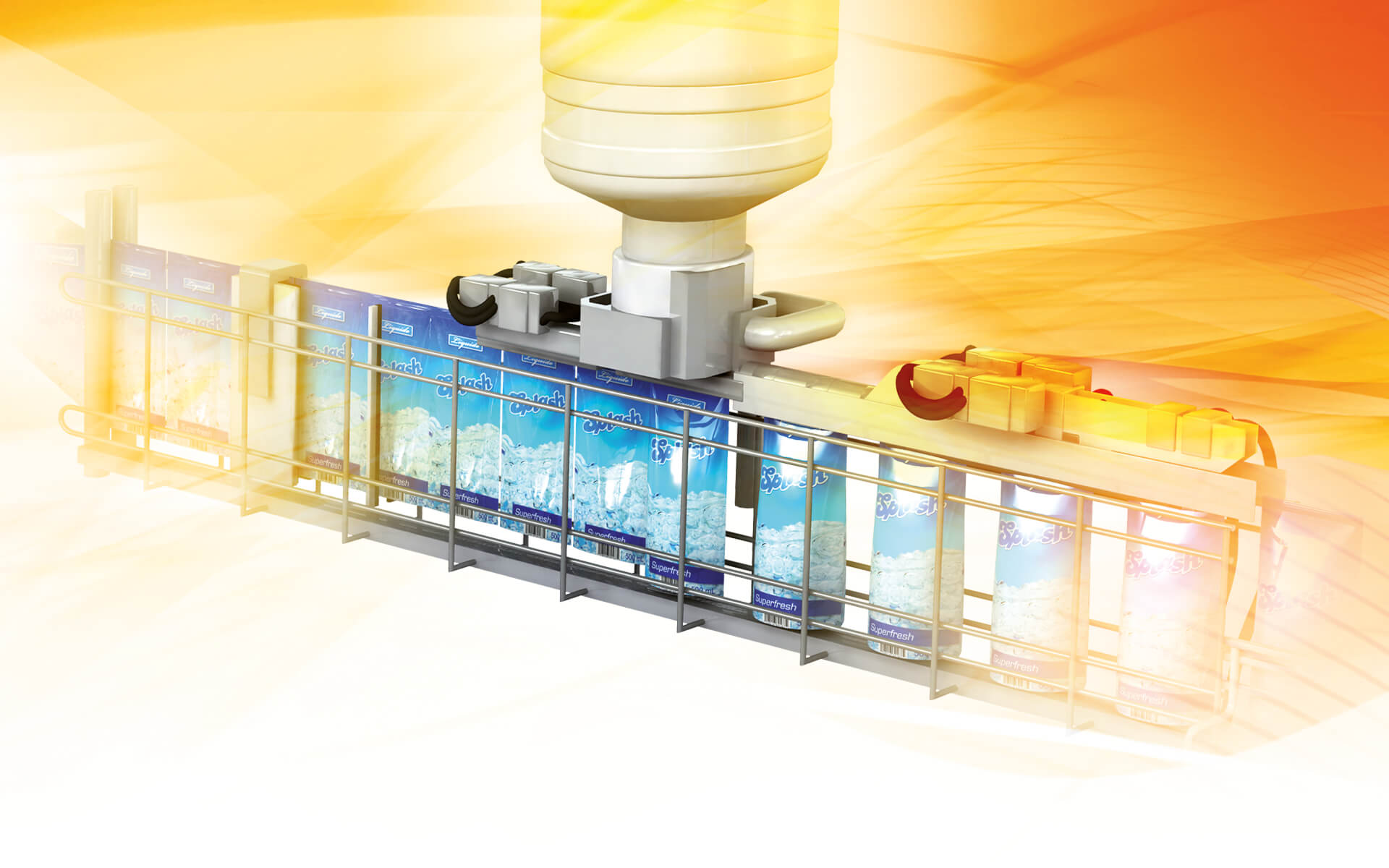
En aplicaciones de sellado, la velocidad de recuperación es muy importante. Cada vez que se cierran las mordazas de sellado estas aplican el calor al producto. La capacidad del E5_C de leer y reaccionar ante cualquier descenso de temperatura significa que la calidad del sellado se mantiene durante el funcionamiento a velocidades bajas o altas. En caso de alarma o avería, una pantalla luminosa intermitente avisa al operario instantáneamente, para que pueda tomar las medidas oportunas.
Entornos agresivos
Es posible que los productos de control estén expuestos a entornos agresivos donde pueden verse afectados por salpicaduras durante el proceso, cubrirse con una capa de polvo o incluso calentarse debido a su localización. Los modelos E5CN, E5CSV, H7CX, H5CX y K3HB incluyen un frontal NEMA4X (equivalente a IP66), por lo que resultan adecuados para su uso en estas aplicaciones. Además, su bajo perfil hace que sobresalgan menos por la parte delantera del cuadro y, por tanto, es más difícil que se ensucien.
Oven control
Las influencias externas pueden provocar una desviación de la temperatura con respecto al valor establecido. Con el E5CC podrá programar el nivel al que la pantalla comenzará a parpadear. Entre las opciones de alarma se incluye desviación con respecto al punto de consigna, de forma que si se modifica dicho punto, la alarma cambiará de acuerdo con éste. Las alarmas absolutas con referencia 0 permanecerán en espera y no se activarán hasta que se alcance el punto de consigna. El bloqueo de las alarmas hace que su desactivación solo sea posible si se desconecta la alimentación. Esta opción es perfecta para procesos remotos o automáticos, puesto que la alarma permanecerá activa hasta que se vuelva a acceder a la máquina.
Baking oven
En numerosas aplicaciones resulta importante controlar la velocidad de aproximación al punto de consigna, así como mantener la temperatura durante el tiempo predeterminado una vez que se ha alcanzado. Este control de la velocidad de aumento de la temperatura evita que el exterior del producto quede demasiado cocinado. No obstante, no suele ser necesario el control de varias fases. El E5CC cuenta con una sencilla función de dos fases que permite controlar el aumento hasta el punto de consigna y programar el descenso de temperatura respecto al tiempo.
Especialidad
Applications
Muestreo de entradas más rápido y periodo de control
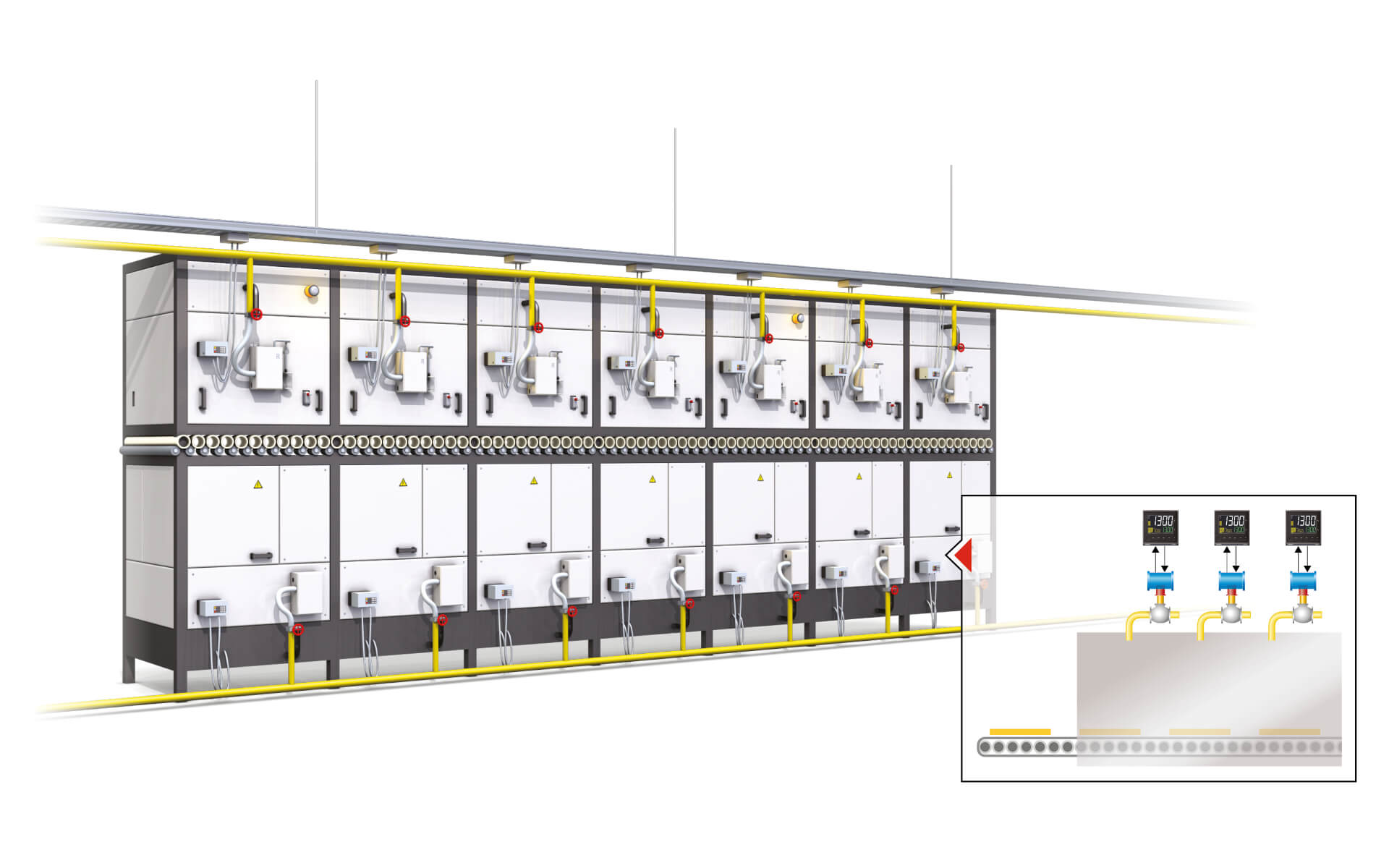
Permite un control más rápido y más exacto del calentador en aplicaciones que cambian con rapidez y son sensibles a perturbaciones. Con un periodo de muestro de solo 50 ms, cualquier proceso de cambio rápido puede regularse con una gran fiabilidad.
Pantalla intermitente del valor de proceso
Proporciona información clara sobre el estado del proceso, fácil de leer incluso a distancia y sin necesidad de interpretar los valores. Cuando uno de los calentadores no se encuentra en el punto de consigna, el valor de proceso puede comenzar a parpadear para avisar al personal (lo que permite detectar a tiempo una junta en mal estado, por ejemplo).
Alarma de ruptura de lazo y alarma de rotura de sensor (con opción MV forzada)
En la producción de plásticos, el molde que se utiliza para fabricar el producto se cambia bastante a menudo. La frecuente reconexión del sensor o del calentador puede provocar una ruptura del cable (por ejemplo, un termopar roto). Estas alarmas detectan rápidamente estos problemas en el proceso.
Programador básico (2 pasos)
En muchos procesos térmicos (en el contexto de la producción de alimentos, ladrillos, cerámica, etc.) es necesario un cierto control de los tiempos. Esta función permite aumentar la temperatura hasta un punto de consigna y fijar el periodo que esta debe persistir. Al final de este periodo, el proceso se detiene o continúa con una alarma que avisa al operador. Con esta función se garantiza el establecimiento preciso y controlado de tiempos fijos, mínimos o máximos, de fragua u horneado. Como alternativa, se pueden ajustar diferentes intensidades para el periodo de enfriamiento. Esto permite, por ejemplo, configurar un descenso de la temperatura suave para evitar la aparición de grietas estructurales en el objeto tratado con calor.
Fácil de conectar, configurar y manejar
La serie E5_C se puede conectar, configurar y manejar con gran facilidad siguiendo unos pocos pasos y utilizando las 5 teclas frontales del instrumento. Nuestro software CX-Thermo y el práctico asistente de navegación, que facilita una configuración más intuitiva, permiten el ajuste de los parámetros con gran rapidez, un ajuste del dispositivo más sencillo y un mantenimiento más simple.
Software
ThermoMini
ThermoMini es una herramienta de asistencia basada en PC y fácil de utilizar que permite gestionar los parámetros de nuestros controladores de temperatura. Todos los parámetros se controlan en un solo bloque y se pueden cargar desde un E5_C y descargar en otro o bien almacenarse en el disco duro de un ordenador en forma de archivo CSV para su posterior recuperación. El archivo CSV es fácil de leer y se puede imprimir para realizar comprobaciones o completarlo. En el caso de los controladores que estén en línea, sus parámetros se pueden cambiar solo de uno en uno. ThermoMini se ha probado en W98-SE, Windows 2000 y Windows XP.
No obstante, recomendamos el uso de CX-Thermo para una mayor funcionalidad a la hora de programar, copiar y optimizar nuestros controladores de temperatura.
Plantillas de imágenes para HMI
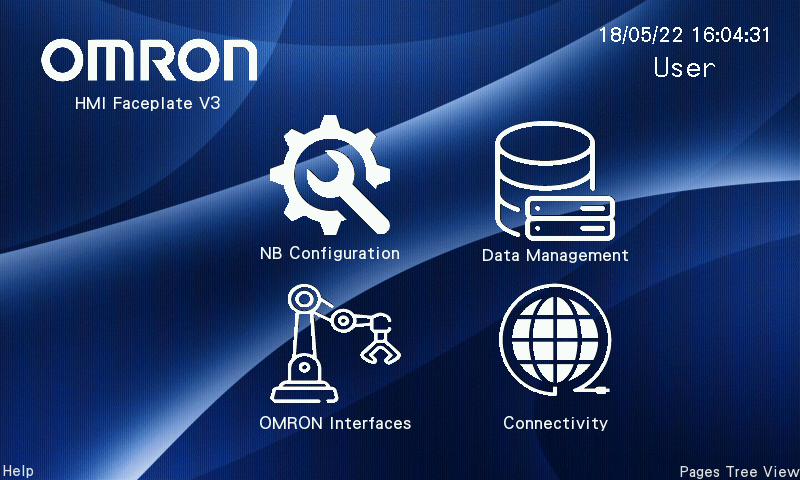
- Proyecto inicial para la serie E5_C que reduce el tiempo de desarrollo para empezar a trabajar con la HMI de la serie NB de OMRON.
- Configure y supervise las principales funciones de los controladores de temperatura: modo de control, ajuste automático, alarma y mucho más.
- Conexión mediante RS485 y protocolo Modbus/RTU.
Vídeos

-

The art of panel building (1): easy wiring
Watch the video in which Hank and René, our two electrical control panel specialists, introduce a new patented Push-In Plus technology. You may also fast forward to the parts that really interest you: 1:06 - Easy to insert (easier than an earphone jack!) and secure connection 2:05 - Work with both hands while the Push-In Plus terminal mechanism holds the screwdriver for you (This is really handy! Check it also at 4:17) 3:26 - Front-in and front release wiring 3:49 - The new terminal blocks with Push-In Plus technology 5:31 - Flexible mounting of sockets
07:36
The art of panel building (1): easy wiring
Watch the video in which Hank and René, our two electrical control panel specialists, introduce a new patented Push-In Plus technology. You may also fast forward to the parts that really interest you: 1:06 - Easy to insert (easier than an earphone jack!) and secure connection 2:05 - Work with both hands while the Push-In Plus terminal mechanism holds the screwdriver for you (This is really handy! Check it also at 4:17) 3:26 - Front-in and front release wiring 3:49 - The new terminal blocks with Push-In Plus technology 5:31 - Flexible mounting of sockets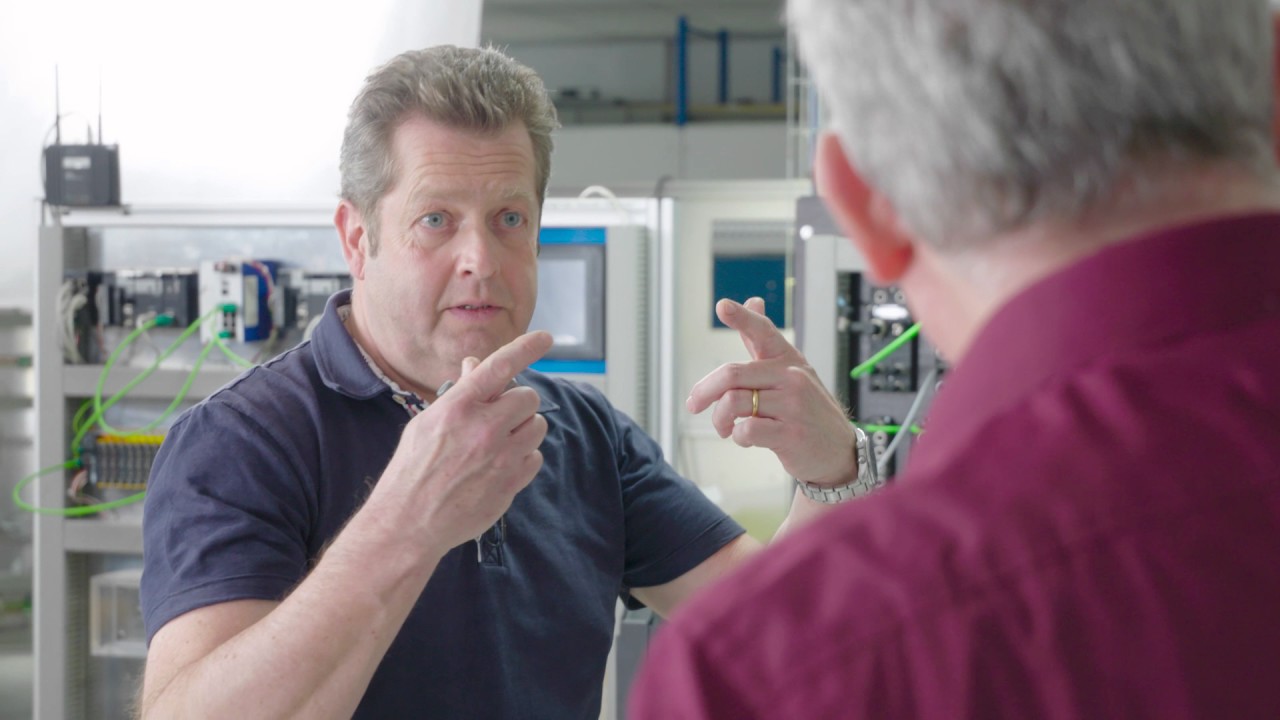
-
The art of panelbuilding (2): heat dissipation
Watch the 2nd in a series of three videos where Hank and René, our electrical control panel specialists, take a closer look at heat dissipation in your cabinet; how to identify thermal hotspots, which products to use and where to place them in your cabinet. You may also fast forward to the parts that really interest you: 00:23 Temperature control and heat dissipation in a control cabinet 01:40 Identifying thermal hotspots 03:14 Standard height for unobstructed air flow 03:39 Compact design 03:53 Less Heat dissipation 04:08 Power Management System
04:51
The art of panelbuilding (2): heat dissipation
Watch the 2nd in a series of three videos where Hank and René, our electrical control panel specialists, take a closer look at heat dissipation in your cabinet; how to identify thermal hotspots, which products to use and where to place them in your cabinet. You may also fast forward to the parts that really interest you: 00:23 Temperature control and heat dissipation in a control cabinet 01:40 Identifying thermal hotspots 03:14 Standard height for unobstructed air flow 03:39 Compact design 03:53 Less Heat dissipation 04:08 Power Management System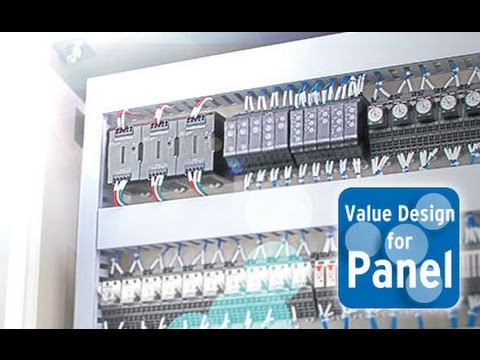
-
New Value for Electrical Control Panels
If you have to downsize your machine, export your machine overseas or have to cope with short lead times and labor shortage, this video might have some answers for you.
03:12
New Value for Electrical Control Panels
If you have to downsize your machine, export your machine overseas or have to cope with short lead times and labor shortage, this video might have some answers for you.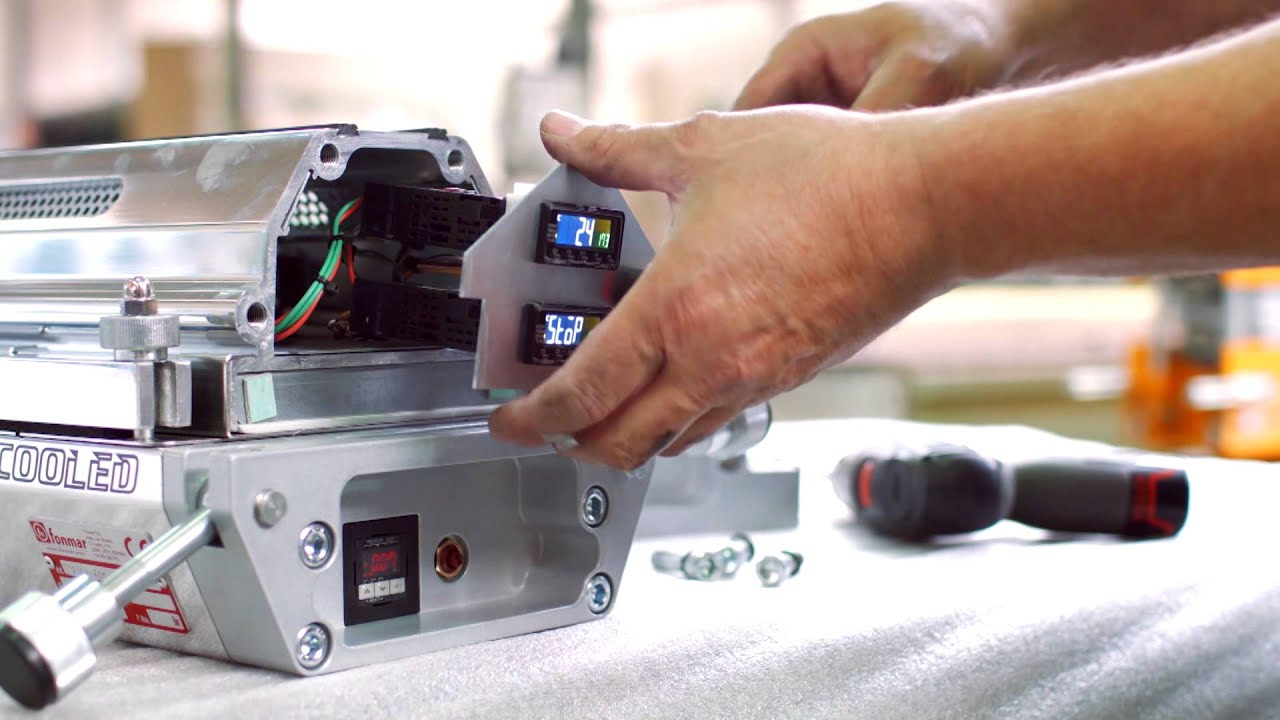
-

Fonmar- temperature controller makes bespoke requirement standard
The bespoke temperature control needs of one customer have been incorperated into our latest temperature control offering – the E5GC
03:30
Fonmar- temperature controller makes bespoke requirement standard
The bespoke temperature control needs of one customer have been incorperated into our latest temperature control offering – the E5GCProductos relacionados:
-

Un único software para su sistema de automatización
-
Software de programación basado en PC para facilitar la configuración y monitorización
Descargas
_cg_en.jpg)
Continúe e inicie sesión, o bien, regístrese al contenido de esta página


Continúe e inicie sesión, o bien, regístrese al contenido de esta página

Continúe e inicie sesión, o bien, regístrese al contenido de esta página
Continúe e inicie sesión, o bien, regístrese al contenido de esta página